
12 hr
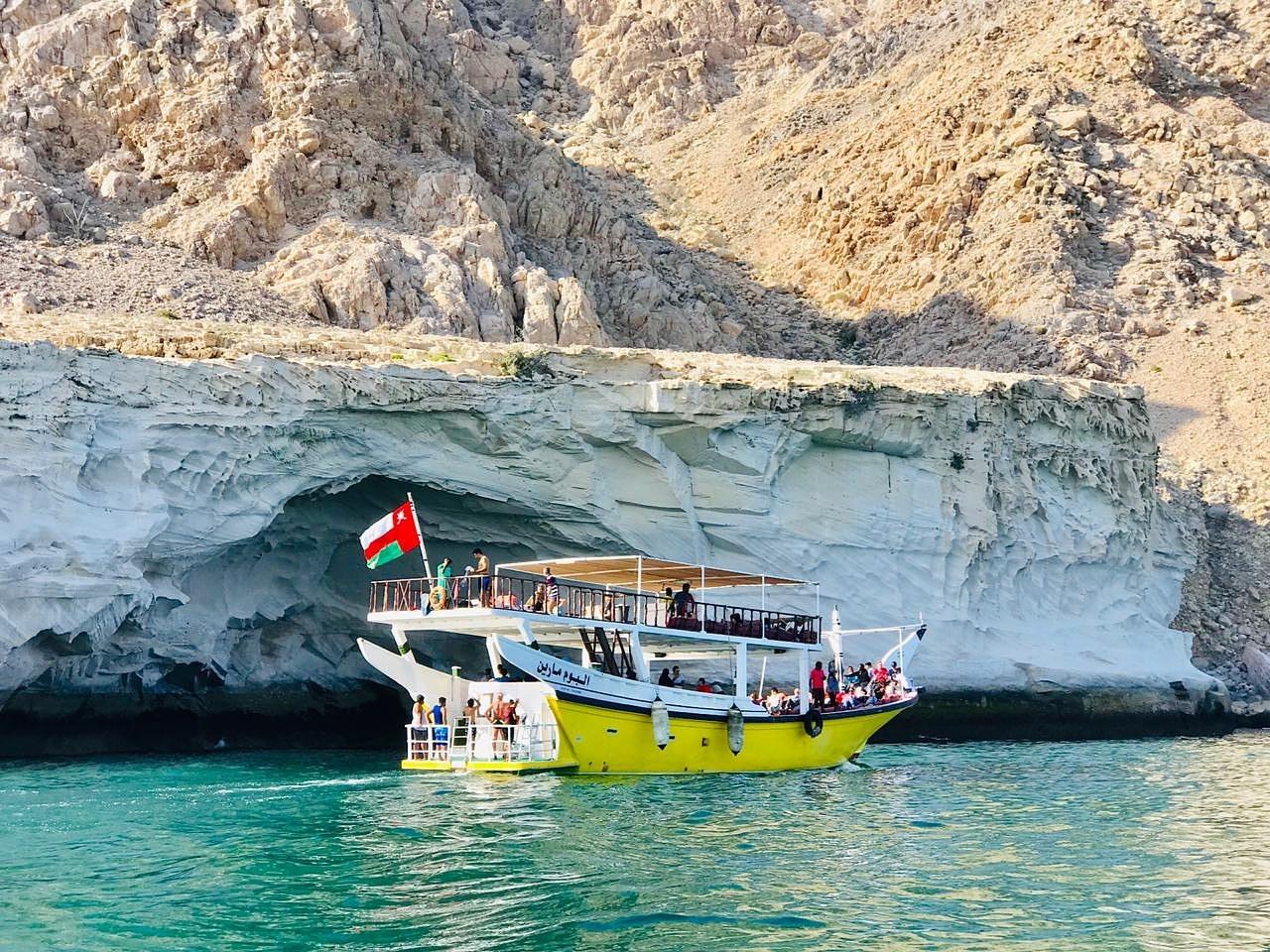
Dibba Musandam Dhow Cruise & Water Adventure
Full-day fjord cruise from UAE with snorkeling, cave exploration, beach time, and traditional lunch
Reserve


Hand-picked by our editors — only the best 3 experiences from 12 reviewed
Verified partners for every tour, free cancellation where available, and instant confirmation on every booking.
12 hr
Full-day fjord cruise from UAE with snorkeling, cave exploration, beach time, and traditional lunch
Reserve
7 hr
Conquer red dunes, ride camels, and experience traditional Bedouin hospitality under the desert sky
Reserve
4 hr
Venture into Lahbab's red dunes for dune bashing, camel trekking, and sandboarding at sunset.
ReservePrices from verified partners. Availability updates in real time at checkout. Free cancellation policies apply where shown.
The landmarks, rooms, and views travelers on this tour remember — all visible on a single visit.
A spectacular 16-kilometer fjord featuring towering limestone cliffs and calm turquoise waters. The area is a prime location for dolphin spotting and serene cruising.
They complement each other; most travelers find the maritime fjords of Oman provide a more tranquil escape, while the inland dunes offer higher adrenaline-fueled excitement. Planning your musandam day tour from dubai requires border crossing coordination, whereas a desert expedition is entirely localized.
| Feature | Top pick Musandam Tour | Desert Safari |
|---|---|---|
Environment |
Coastal fjords and sea | Arid sand dunes |
Primary Activity |
Dhow cruise and snorkeling | Dune bashing and sandboarding |
Water Access |
Direct sea swimming | None |
Scenery Type |
Rugged mountains and ocean | Golden desert landscape |
Physical Intensity |
Low to moderate | Moderate to high |
Family Suitability |
High for all ages | Moderate for young children |
| See tickets → |
Verdict: Choose the coastal musandam day tour from dubai tours for calm water exploration, or select a desert safari if you prefer shifting sands and cultural camp activities as part of your desert landmarks visit.
Choose your ticket, select your date, and reserve in under two minutes. Secure checkout handled by our verified partner.
Instant confirmation by email, with a mobile voucher you can save offline. No printing, no queuing at a collection desk.
Arrive at the entrance, show your voucher on your phone, and walk in. Most tickets include priority or skip-the-line access.
Practical details for your visit straight from our verified partners — hours, access, rules, and how to get there.
Wear light, breathable clothing suitable for summer temperatures. Bring swimwear for dhow cruise activities and a change of clothes for the return trip.
Travelers must present original passports at the border crossing. Carry minimal personal items; tour operators handle the vehicle and border manifest logistics for organized excursions.
Photography is permitted in most areas, but avoid taking pictures of military installations or border checkpoints. Respect local privacy when photographing traditional villages.
The Musandam Peninsula offers varied terrain including rocky coastlines and boat decks. While some dhows are accessible, the mountainous areas may be challenging for those with limited mobility.
The Musandam Peninsula is family-friendly, with Dibba tours often preferred for younger children due to shorter travel times. Ensure children under 21 are accompanied by their visa sponsor.
Most day tour packages include a buffet lunch on board traditional dhows. Unlimited soft drinks, water, and refreshments are standard on these maritime excursions.
Best time to go, insider tips, nearby landmarks, and the cancellation fine print — flip through to skim what matters to you.
Flexible, no hidden fees.
Most operators offer free cancellation and rebooking if notified within the required window, typically 24–48 hours before departure. Note that the 35 AED UAE exit fee is a mandatory government charge per person and is generally excluded from tour refunds.
The Musandam Peninsula juts into the Strait of Hormuz like a broken tooth, its limestone cliffs plunging two thousand feet into water the Portuguese called the "Norway of Arabia." Separated from the rest of Oman by a sixty-mile stretch of Emirati territory, this geological anomaly became a strategic enclave when Sultan Said bin Taimur drew borders in 1969, leaving a 1,800-square-kilometre wedge of Omani sovereignty pressed between the UAE and the Gulf. The fjords—technically khors, drowned river valleys carved when sea levels rose twelve thousand years ago—cut so deep into the Hajar range that nineteenth-century British telegraph engineers hid their repeater station on an island accessible only by boat, safe from tribal raids and summer heat. Musandam day tours from Dubai funnel through two border crossings: Tibat, the faster northern route via Ras al Khaimah, and Dibba, splitting the coastal village between three sovereignties. The terrain discourages roads; until 2008, Khasab, the provincial capital, received most of its goods by sea. Smugglers still run cigarettes and electronics to Iran across the twenty-mile strait in high-speed fibreglass boats, a trade tolerated as long as it remains discreet. The dhows used for tourism are working vessels during the off-season, hauling livestock and construction materials between isolated fishing hamlets that cling to the khors like barnacles. Snorkelling sites cluster around Telegraph Island, where the rusted iron rings that once moored coal barges still protrude from the rock. Visibility drops in summer when the Gulf warms past thirty degrees Celsius, but the coral gardens recover each winter, hosting blacktip reef sharks and hawksbill turtles that nest on the gravel beaches of Kumzar, the northernmost village, where residents speak a dialect unintelligible to Arabic speakers fifty miles south. The mountains trap moisture from the Indian Ocean monsoon, nurturing acacia and wild olive in wadis that run bone-dry by March. Coastal cliffs host Bonelli's eagles and the last breeding pairs of the endangered Musandam rock gecko, a nocturnal species found nowhere else on Earth. The peninsula's population hovers near thirty-two thousand, half of them expatriate workers in Khasab's new port. Traditional stone houses with palm-frond roofs survive in Kumzar and Nadifi, though most families have moved to concrete block construction. Fishing remains the primary economy; the sardine catch between October and April feeds both local tables and the fishmeal plants that supply Omani poultry farms. The government has paved the road linking Khasab to the interior only in the last decade, ending centuries of functional isolation that preserved the peninsula's culture and made a musandam day tour from dubai feel less like a day trip and more like a passage into older rhythms of Gulf life.
"The fjords cut so deep that British engineers hid their telegraph station on an island accessible only by boat, safe from raids and summer heat."
A step-by-step walkthrough of the visit — what you'll see, how long each stage takes, and the details that matter.
You meet your driver before sunrise in Dubai, crossing the Emirates as the sky pales over Sharjah's industrial sprawl. The Tibat border post opens at six, and your guide handles the visa paperwork while you pay the thirty-five-dirham exit fee in cash. Omani immigration waves you through in minutes. The road climbs into the Hajar range, switchbacking past terraced farms where goats browse on thornbush, then drops toward Khasab's harbor. Your dhow departs mid-morning, its diesel engine thrumming beneath teak planking worn smooth by decades of use. Cushions line the deck; you claim a spot in the shade as the boat noses into the first khor. Limestone walls rise sheer on both sides, their strata tilted at forty-five degrees, banded in rust and gray. Dolphins surface off the bow, their dorsal fins cutting the glassy water. The captain cuts the engine near Telegraph Island, and you slip into the Gulf with mask and fins, floating over brain coral and schools of sergeant majors that dart between the rocks. Lunch is grilled kingfish and saffron rice, served on plastic plates while the dhow drifts. The return journey hugs the coast, passing fishing villages accessible only by sea, their houses painted turquoise and pink against the rock. You dock by four, cross back into the UAE before the border slows with evening traffic, and reach Dubai as the last light drains from the sky over the Gulf.
The region is accessible 00:00–23:59 daily.
The mandatory UAE exit fee is 35 AED per person payable at the border.
The best arrival window is 06:00–08:00 to avoid peak border traffic and heat.
Yes, an original passport valid for at least six months is mandatory for all guests on a musandam day tour from dubai.
The Musandam Peninsula, Oman, is accessible via the Tibat or Dibba border crossings.
Yes, but ensure your visa is valid and check if your nationality requires an Oman entry visa; residents can often obtain a visa on arrival.
Yes, the border crossings remain open 00:00–23:59 daily.
Bring your original passport, Emirates ID, sunscreen, swimwear, and a towel for your musandam day tour from dubai.